Blog
Spiritual Formation Over Funnels

A Mobilization Journey Map for Intentional Discipleship
For many years, mobilization efforts have often been described using the language of business.
Pipelines. Funnels. Conversion rates.
Those frameworks can be helpful for tracking activity and understanding how people move through a process. But when applied too rigidly, they miss something important about how people actually discern God’s calling.
Following Jesus into mission is rarely a quick decision. It is usually a journey of curiosity, prayer, conversation, and gradual clarity. People wrestle with the implications for their lives, their families, and their futures. They imagine what obedience might require and slowly begin to sense whether God might truly be inviting them into something new.
When mobilization is viewed only through the lens of efficiency, those long seasons can feel frustrating. Leaders look at dashboards and wonder why someone hasn’t responded yet, or why a candidate has remained in the same stage for months.
But perhaps the deeper question is this:
What if the slower rhythm we see in mobilization pipelines is not a problem to fix, but a reality to understand?
Why God Often Works Through Slow Discernment
One of the tensions mobilization leaders often feel is the pace of the journey.
From an organizational perspective, long periods of waiting can feel uncomfortable. Someone expresses interest, receives information, and then… nothing happens for weeks or months. It can be tempting to assume something has gone wrong in the process.
But throughout Scripture and church history, God’s invitations are rarely followed by immediate clarity. More often they unfold through seasons of reflection, prayer, and gradual obedience.
- Moses spent years in the wilderness before stepping into leadership.
- David was anointed king long before he ever wore the crown.
- Paul spent extended time in preparation before beginning his missionary journeys.
A calling often develops slowly because it touches every part of a person’s life. Decisions about missions are rarely isolated choices. They affect family relationships, financial stability, career paths, and community ties. It is natural—and often wise—for people to wrestle with those implications before moving forward.
In many cases, the quiet seasons we see in mobilization pipelines are not moments of inactivity at all! They are seasons where individuals are praying, seeking counsel, and learning to listen for God’s voice. This is vital!
Mobilization leaders cannot rush that process, and perhaps are not meant to.
Instead, their role is to create environments where discernment can happen well. They can offer encouragement, provide clarity when questions arise, and remain present as people seek God’s direction.
When we begin to understand calling through this lens, the patterns we see in the data of mobilization start to make much more sense.
What the Data Is Quietly Revealing
After examining several organizations, we found that mobilization pipelines look very different on the surface. Some organizations have hundreds of people exploring opportunities, while others may only have a few dozen individuals in active discernment.
Some pipelines focus on short-term opportunities, while others guide people toward long-term missionary careers.
Despite those differences, a consistent pattern appears. People rarely move directly from curiosity to commitment. The path rarely looks linear.
Instead, they move through a series of stages that often take months—and sometimes years—as they explore possibilities, seek counsel, and gradually grow into clarity.
When we looked closely at the data from these selected pipelines, five distinct phases began to emerge again and again. What these stages were called differed from organization to organization, but the underlying journey remained remarkably consistent.
These stages form what we call the Mobilization Journey Map.
The Mobilization Journey Map
The Mobilization Journey Map describes the five common phases people move through as they discern God’s invitation into mission:
- Awakening
- Exploration
- Discernment
- Activation
- Preparation
Each stage reflects a different posture in the candidate’s journey—and a different way the organization can come alongside them.
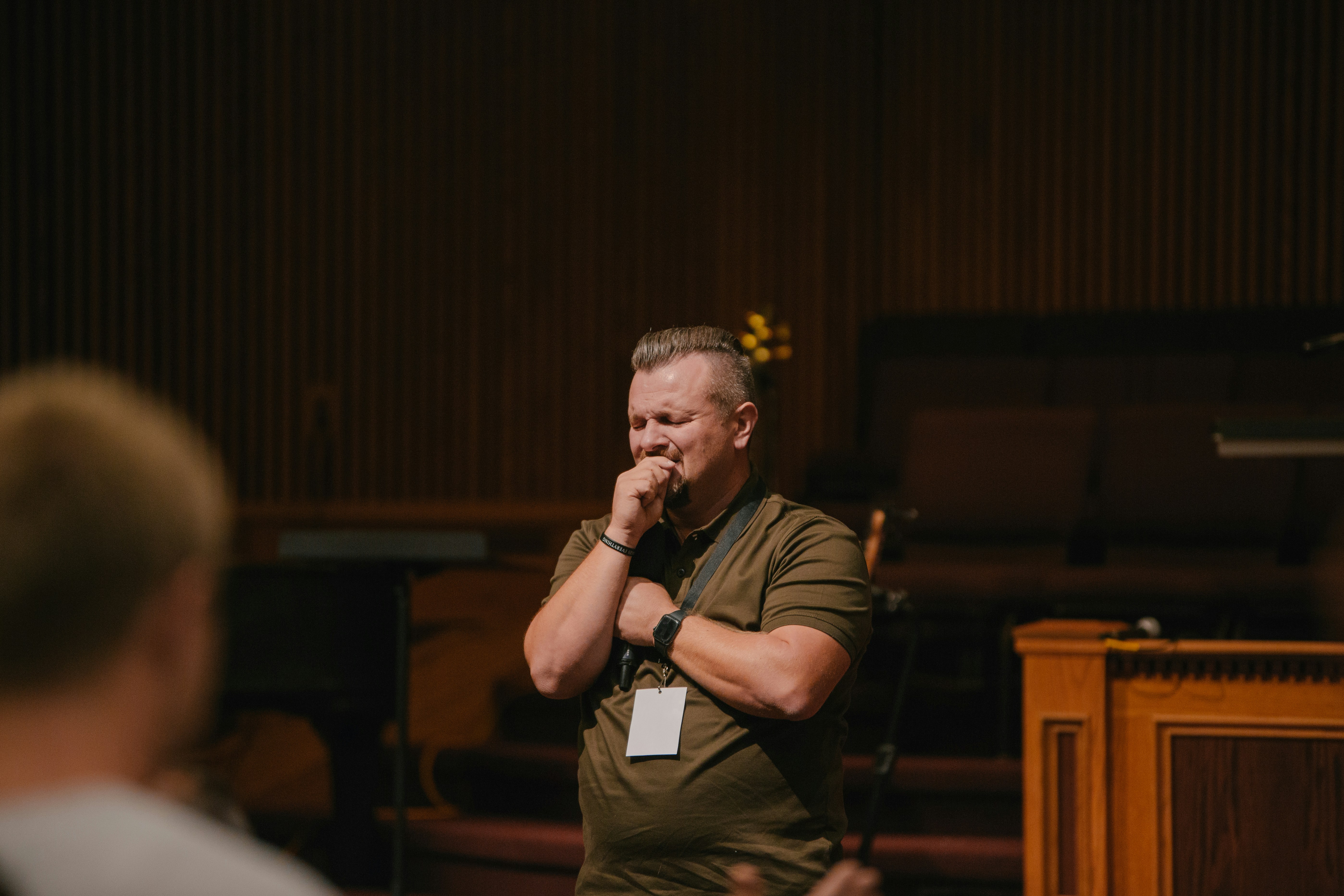
Mobilization Stage 1: Awakening
When the Idea First Appears
Every mobilization journey begins with awareness.
Someone hears a missionary speak at church. They attend a missions conference. They watch a video about what God is doing somewhere in the world. Something in their heart stirs, and a quiet question begins to form:
Could God be inviting me into something like this?
At this point, people are not making decisions. They are simply discovering that participation in God’s mission is possible for them.
Across several organizations we examined, this early stage tends to move quickly once a connection is made. Initial inquiries are often followed up within one to four weeks, helping individuals begin their exploration.
Activities in This Stage:
• Attending missions conferences or vision events
• Hearing missionaries share stories
• Joining missions interest groups
• Submitting an initial inquiry or interest form
• Introductory conversations with mobilizers
Typical Time in This Stage:
Approximately 1–4 weeks of active engagement, though curiosity may exist long before a person reaches out.
How Organizations Can Support Candidates:
At this stage, the goal is not recruitment. It is about inspiration and invitation.
Mobilization leaders should focus on helping people see the larger story of God’s mission and imagine how their lives might participate in it.
Helpful support includes:
• Vision-casting stories
• Introductory conversations
• Invitations to informational gatherings
• Accessible content about missions
Detailed expectations about fundraising or application requirements should usually wait until later stages. Early curiosity thrives when people feel welcomed into the story rather than evaluated.

Mobilization Stage 2: Exploration
Asking the Real Questions
Once curiosity is awakened, people begin exploring what missions might actually look like.
This is where practical questions start to surface, such as:
- What opportunities exist?
- What would life look like in another culture?
- Could someone like me really do this?
Across the pipelines we studied, individuals can spend months exploring opportunities before deciding whether to continue.
Exploration is not hesitation. It is an investigation.
Activities in This Stage:
- Attending informational meetings
- Introductory calls with mobilizers
- Learning about different ministry pathways
- Reading missionary stories and case studies
- Conversations with family members or mentors
Typical Time in This Stage:
Approximately 1–3 months, though some candidates may explore longer depending on life circumstances.
How Organizations Can Support Candidates
Here the mobilizer’s role shifts toward clarity.
Candidates need access to honest information and opportunities to ask questions without feeling pressured toward a decision.
Helpful support includes:
• Clear explanations of mission pathways
• Conversations with missionaries
• Opportunities to hear real experiences from the field
• Guidance about how different opportunities fit different seasons of life
Organizations should avoid overwhelming candidates with detailed fundraising expectations or complex training structures too early.
Exploration is about deeply understanding the possibilities.

Mobilization Stage 3: Discernment
When Exploration Turns Into Prayer
Eventually exploration deepens into discernment.
The question shifts from Could I do this? to something more personal:
Is God inviting me to do this?
This stage often becomes the longest part of the early journey and it’s a discernment-oriented stage for candidates.
From a dashboard perspective, this might look like inactivity. In reality, it is often the most spiritually active stage.
Activities in This Stage:
• Intentional prayer and reflection
• Conversations with pastors or mentors
• Seeking counsel from family and trusted friends
• Participating in discipleship programs
• Attending vision or prayer gatherings
• Exploring short-term or apprenticeship experiences
Typical Time in This Stage:
Approximately 3–6 months, though some individuals may take longer depending on life circumstances.
How Organizations Can Support Candidates
This stage requires a pastoral posture.
Mobilization leaders should create environments where candidates can process their calling thoughtfully.
Helpful support includes:
• Discernment guides or prayer resources
• Spiritual mentorship
• Conversations with experienced missionaries
• Opportunities to test calling through short-term service
Discernment is not a stage to rush. It is where people begin to listen carefully for God’s personal direction.

Mobilization Stage 4: Activation
When Discernment Becomes Commitment
Eventually clarity begins to emerge.
The individual decides they are ready to take a step forward. They begin the application process, participate in interviews, and move toward a more formal commitment.
Across several pipelines, this stage often unfolds relatively quickly compared to earlier phases.
Activation marks the moment when discernment becomes action.
Activities in This Stage
• Submitting a formal application
• Participating in interviews
• Beginning fundraising preparation
• Initial missionary training or orientation
Typical Time in This Stage
Approximately 1–2 months.
How Organizations Can Support Candidates
Organizations should focus on clarity and momentum.
Candidates now need practical guidance and clear expectations about the path ahead.
Helpful support includes:
• Application guidance
• Interview preparation
• Early fundraising coaching
• Clear timelines and next steps
Activation helps candidates move confidently from exploration and listening into action and commitment.
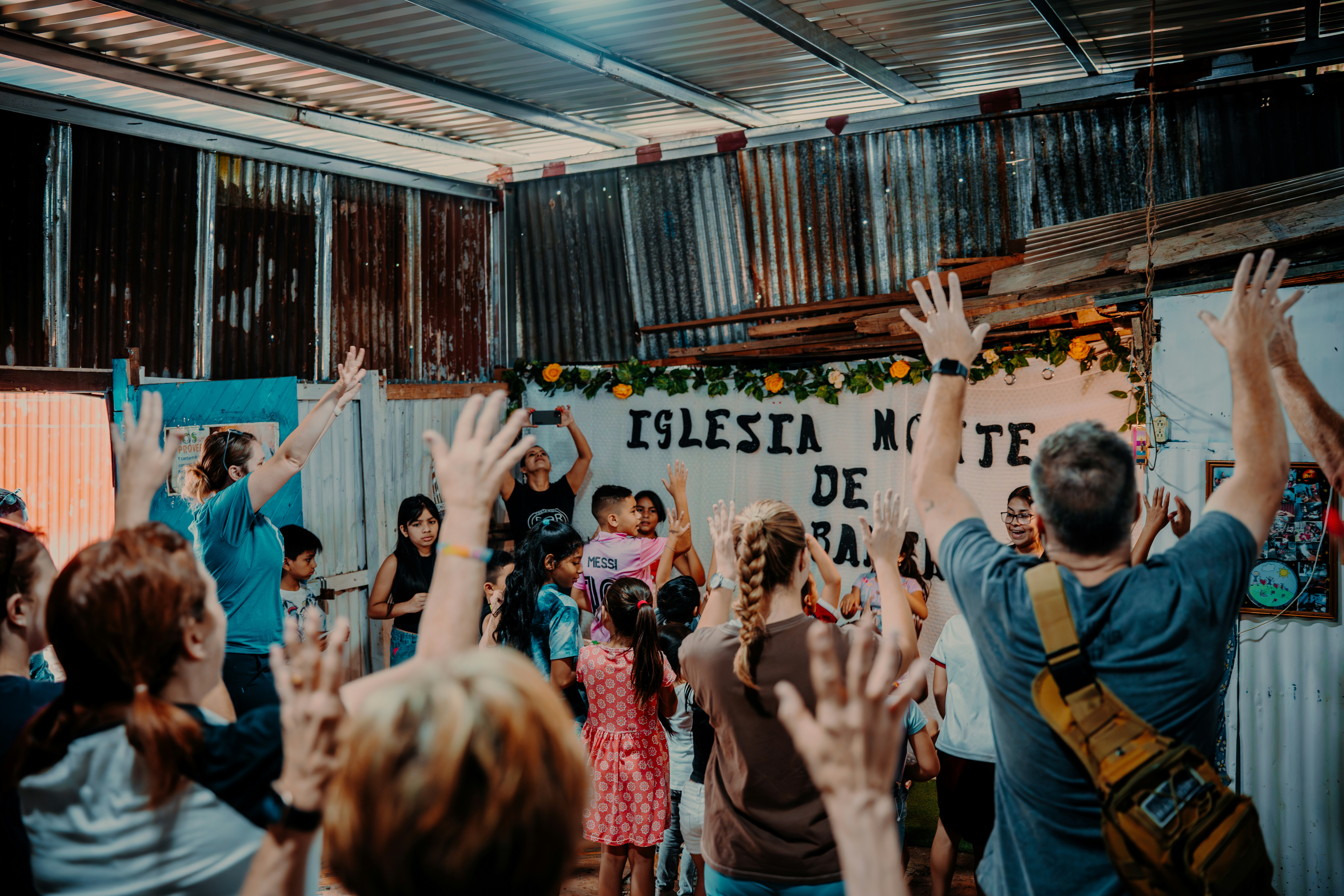
Mobilization Stage 5: Preparation
Formation for the Journey Ahead
Once someone commits to the path forward, preparation begins.
This stage often includes fundraising, missionary training, team development, and practical preparation for life and ministry on the field.
Across multiple organizations we examined, preparation may last even a year or more, largely depending on fundraising timelines and training programs.
Preparation is not merely logistical. It is formative.
Activities in This Stage:
• Building a financial support team
• Completing missionary training programs
• Developing cross-cultural awareness
• Team formation and leadership development
• Preparing for deployment
Typical Time in This Stage:
Typically 3–12+ months.
How Organizations Can Support Candidates
Organizations should focus on equipping and sustaining readiness.
Helpful support includes:
• Fundraising coaching
• Cross-cultural training
• Spiritual formation
• Team-building opportunities
• Ongoing encouragement and accountability
Preparation ensures that those who go are not only willing—but ready.
Why Understanding These Stages Matters
When mobilization is viewed as a funnel, long timelines can feel like inefficiency. Leaders may assume candidates lingering in a stage represent a broken process.
But when mobilization is understood as a formation journey, those timelines make sense. People are not simply moving through a system. They are discerning a calling.
We’d never want to encourage someone to make a commitment haphazardly and that kind of discernment rarely happens quickly.
In this journey, mobilization leaders are not simply guiding candidates through administrative steps. They are walking with individuals as they wrestle with one of the most important questions they may ever ask:
What is God inviting me to do next?
And when we begin to see mobilization through that lens, our pipelines stop looking like funnels. They begin to look like something far more meaningful. A journey of discipleship and mission.
Ready to take massive action in your mission mobilization work? Get free ebooks, workbooks, and practical resources delivered straight to your inbox here.
Mobilization Is Holy Work… But Shouldn’t Feel So Heavy

If you’re involved in mobilization, you already know this truth deep in your bones: this work is sacred.
Whether you’re coaching missionary candidates, leading short-term teams, pastoring senders, or quietly holding the process together behind the scenes, you are walking with real people through moments of discernment, fear, obedience, and faith. That’s holy ground.
And yet, for many mobilization leaders, that holy work feels heavier than it should. Simply put, these roles also often lack clear processes on how to lead well.
Uncertainty for Mobilization Leaders
We’ve even heard new directors say with honesty, “We don’t really know where to start.”
Then there are those leaders who’ve been at the helm for a while and then they find themselves burning out while trying to shepherd well inside disjointed systems.
Confusing handoffs. Endless spreadsheets. Missed emails. People falling through the cracks. This is happening not because people on the team don’t care, but because the process itself has created friction.
Other times, we’ve seen the opposite end of the spectrum: impressive structures that unintentionally lose sight of the individuals they were meant to serve.
These problems often leave leaders feeling stuck between two options: to care deeply about people or to build efficient systems.
But what if that’s a false choice?
That question is what inspired our new free ebook: How to Spot Breakdowns and Find Breakthrough in Your Mobilization Pipeline.
A Free Resource Made for Mobilizers
This short book is an invitation to reimagine mobilization as both a spiritual journey and an operational discipline. Because healthy processes don’t replace spiritual leadership, they support it. When clarity and compassion work together, leaders gain margin. And margin creates space for deeper coaching, better discernment, and Spirit-led moments that don’t get buried under admin chaos.
Inside the ebook, you’ll find practical tools and reflection points to help you:
- Map your mobilization pipeline and identify where people tend to drop off
- Diagnose what’s not working without assigning blame
- Collaborate across teams with more clarity and humility
- Build simple rhythms that lead to lasting cultural change
Every confusing form, every missed handoff, every unanswered email isn’t just an annoyance, it is a signal. Each gap is an opportunity to clarify, collaborate, and grow.
This isn’t about adding more work or overhauling everything overnight. It’s about making the work work better—for you, your team, and the people you’re called to serve.
If you’re ready to stay curious, take one faithful step forward, and build mobilization systems that serve both the mission and the people behind it, we’d love for you to download the ebook for yourself.
👉 Grab the free ebook and start reimagining mobilization today.
P.S. We even have a few printed versions of the book too. Feel free to contact us if you’d like a copy.
Just don’t skip out on this opportunity. Because small changes, done faithfully, can unlock incredible growth.

The Myth of Balance
by ServiceReef | Missions Made Simple
- + 15 more...

Throughout my career, I feel that the concept of Work-Life Balance has perpetually been a struggle. During my children’s younger years, it was nearly impossible. It seemed as if I spent 50-60 hours at work, I should be spending at least that much time in direct contact with family or friends, or spend that much time exercising in order to “balance” all of it out.
The allure of the word “balance” comes from this idea that if we can just find a way to obtain this, we can walk a narrow tightrope between expectations and find a path that somehow honors everything around us. If we can just find balance, then we can figure out how to keep it. While work-life is a common attempt at this, the concept permeates so many other areas of our life, even within a specific role or arena.
I used to joke with over-working employees that if balance was true, for every 60+ hour week, there would be a week in which the job would only demand 20 hours. After all, mathematically, that is what “averaging 40-45 hours per week” would result in. It never happened that I can recall :-)
As the years have passed, I realize now that balance isn’t obtainable and is likely the wrong goal to be striving after. I now prefer to use the concept of “tension”.
Tension in our lives
There is a tension between my desire to spend time with my spouse, my family, be a good friend to others, work hard, provide value to my company and clients, exercise, etc. All of these endeavors are good things. However, some days, one area of my life might need, or even demand, my attention. That creates tension on the other areas as I pull from there to provide the focus to an area of need.
In my mind, the word balance conjures images of a seesaw on a playground. One side must go down while another goes up. While the concept of tension feels more like climbing ropes. The tension between the climber’s weight and the belayer creates safety and allows for focus on the task at hand
I have found that the concept of tension aligns more theologically as well. There are tensions often in what God asks us to do. Serving or giving generously, by definition, creates tension in other areas of our lives. It becomes a question of trust: If I give in this area, can I trust you God to provide in other areas?
Tension in Scripture
The Jewish scholars at the time of Jesus understood this well. Although the law had 613 commandments spelled out in the Torah, the leaders throughout time had created additional laws to help the people keep those that were essential. However, even within those 613 laws directly from God, there were sometimes challenges or seemingly competing priorities.
While primarily a theoretical exercise, it was essential for them to wrestle with what God asks them to do. For example, God clearly commands that they were not to work on the Sabbath (Exodus 20:8-11). However, if a neighbor’s donkey were to fall into a well on the Sabbath, could you help it out? After all, Deuteronomy 22:4 commands that you help out livestock, even that of your enemies. In this situation, what would actually constitute “work”... and if you chose to love your neighbor by helping him with his livestock in an emergency, would that actually be a better choice? It was a situation filled with tension. Jesus even calls them out on this in Luke 14:5.
In that time, in order to help people navigate this tension, a Rabbi would have an ordered structure to the laws of scripture that he would call his “Yoke”. They were prioritized in the most important law, the second greatest, and so on to help make these hard decisions easier. Those that followed that rabbi would “take on his yoke” to help them with these situations. If you found yourself in a situation where you needed to violate a law, you could only violate it with a higher priority law.
This is why Jesus was asked, “What is the most important commandment?” (Matthew 22:36-40) They were asking about his yoke, his order of how to navigate this tension between two seemingly competing priorities or commands.
Suggested practice: Each week, take five minutes to ask: Where is the tension highest in my life? What deserves my focus this week, and what can wait?
A little secret... the power of "and"
In today’s world, I have found that how I handle interruptions is key to my internal struggle with tensions. If I get aggravated by an interruption, it’s likely an insight into how I’m doing internally or even how I’m currently managing my tensions.
As I have wrestled with this over the years, I realize that it comes from this western perspective that I can only be doing A OR B activities. There is some truth to that; by pulling my attention from A to give it to B, I am no longer focussed in that area. However, this is not always true. There are elements in which I can combine activities to achieve two elements at once. Quick examples might include:
- Walking with a spouse or friend, which provides both exercise AND relational connection
- Making dinner while listening to music/podcast; performing a task AND refueling yourself
- Taking someone to practice and bringing a book or taking a walk while waiting; allowing you to pour into yourself AND get some time with your child
If you can find ways in which you can accomplish two key functions at once, you can more easily live within the tensions that life provides.
Living within health tension
I have tried, not entirely successfully, to try and view situations as a chance to be intentional with my “and”. Driving to yet another soccer practice can instead by viewed as a chance to get an uninterrupted 10-20 minutes in the car with one my kids, allowing myself to be intentional for that ride. It’s not “just” an interruption to the day.
However, having the understanding of “tensions” instead of just striving for balance. And then layering on the ability to view life and interruptions as a chance to navigate and find an “and” in the situation allows me to better live within the world and demands of every week.
Some other ways that help are:
-
Naming the tension rather than fighting it.
-
Setting “seasonal” priorities instead of daily ones.
-
Inviting accountability through a spouse, mentor, or friend.
Wrapping Up
Jesus’ yoke he presented as being easy and his burden is light (Matthew 11:28-30). Jesus wasn’t removing the tension but helping us live it out in peace by fulfilling all of the law into two areas: Love God and Love Others.
As you reflect this week:
-
Where in your life are you chasing balance instead of embracing tension?
-
What’s one area this week where you can practice the power of ‘and’?
-
What is one thing you can release or let go of in order to focus on where God is calling you?
I hope you find blessing in this perspective as well. Let me know what you think and where this provides benefit to you below.
AI for Nonprofits: 4 Quadrants to Cut Through the Noise

How Nonprofits Can Think About AI
Breaking It Down Into 4 Clear Quadrants
AI feels like it's everywhere, and nowhere, all at once. If you're leading a nonprofit, chances are you've asked yourself:
“Should we be doing something with AI?”
Or maybe:
“Is AI a threat to our work, or a tool we should embrace?”
Those are fair, and timely, questions.
But here’s the problem: AI is too broad a term. It’s like saying “technology” or “the internet”, without any context, it can mean everything and nothing at the same time.
That’s why a recent framework from a conversation between ServiceReef and EC Group was so helpful. It breaks down AI into four clear quadrants, and this simple model may help your nonprofit finally wrap its head around where you are… and where you might want to go next.
🎯 The Four Quadrants of AI
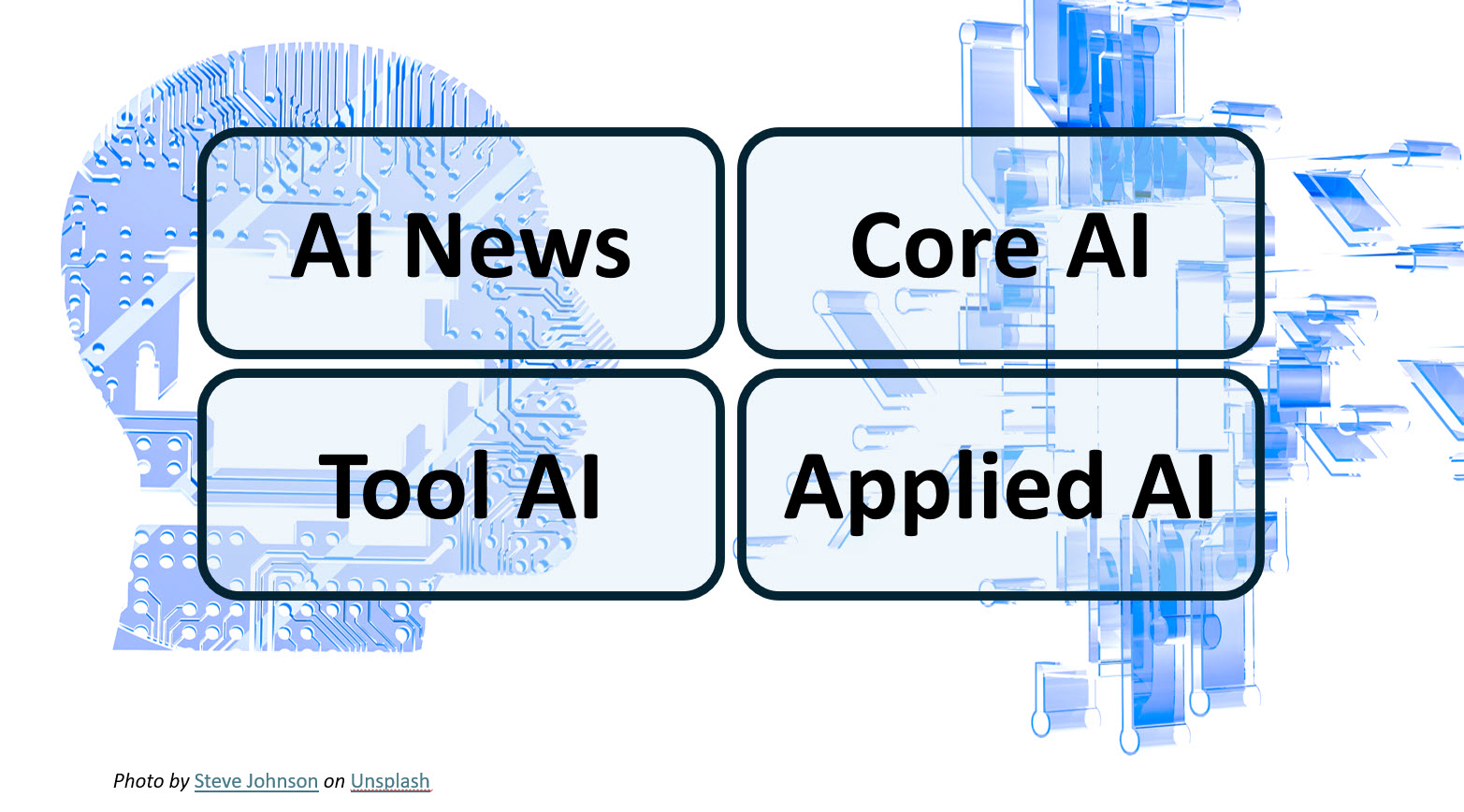
1. News Cycle AI – “I keep hearing about it…”
This is where most nonprofit executives and board members start. You’re reading the headlines. You’re seeing terms flying around LinkedIn or seeing new benchmarks based on new models posted on social media. You're aware that AI is shaking up industries, but you're not quite sure how or where it applies to your mission-driven world.
In reality, while this News Cycle AI quadrant is key for those that are living in this space, it’s mainly a philosophical conversation on an industry that is being built as it grows. As a leader in the non-profit space, it’s important to have conversations and be aware of what is going on, but it is very difficult to base any decisions with information only in this quadrant as the news changes so quickly.
What this looks like in your org:
- Board members or donors ask, “Are you using AI?” or “What is your AI strategy?”
- Typically, there is internal curiosity but no clear use cases.
- Fear of being left behind, but no roadmap on how this could drive you forward.
What to do here:
- Personally acknowledge that most questions and information is related to this space.
- If important to your organizational strategy, then look to methods to stay on top of it. Some examples:
- Assign someone to curate AI news relevant to your mission.
- Review monthly or quarterly as a 5 minute update.
- Hold a “Lunch & Learn” or team roundtable to unpack key trends.
- Watch and wait, but don’t stay here forever.
2. Tool AI – “We use AI to make our jobs easier”
Tool AI is where individuals begin to use AI-powered tools to enhance their productivity. This might be your comms director using their preferred AI model to write a donor newsletter draft, or your ops team using AI to summarize board reports.
What this looks like in your org:
- Staff using AI for writing, editing, summarizing, image generation, or even data cleanup.
- Tools like ChatGPT, Gemini, Notion AI, Grammarly, Midjourney, and DALL·E are in casual use.
What to do here:
- Encourage responsible experimentation, maybe even create an “AI Locker” (a shared doc where staff list tools and how they’ve used them).
- Start conversations around ethical boundaries (e.g., where AI shouldn’t be used, privacy concerns, etc.).
- Empower your team to save time on repetitive tasks, just don’t outsource your values.
- Leverage your prompts to look for gaps (e.g. what topics might we be missing in an upcoming meeting, etc).
3. Applied AI – “We’ve embedded AI into how we work”
This is where things get interesting… and tricky. Applied AI is not just using tools, it’s integrating AI into your workflows. It might mean using AI to screen volunteer applications, match mentors and mentees, or automatically route prayer requests to the right care team.
What this looks like in your org:
- Custom automations using AI models (e.g., tagging photos, categorizing emails, routing requests). Think “If A, then B” but instead of people/volunteers doing it, the agent does it for you automatically.
- Early experiments in building your own AI agents or using RAG (retrieval-augmented generation).
- Strategic conversations about what data could (and should) be leveraged.
What to do here:
- Identify pain points in your current workflow (e.g., repetitive review processes, follow-up tasks).
- Work with tech partners or consultants to explore AI-augmented solutions.
- Start small, measure impact, and scale what works.
⚠️ Note: This quadrant is where many nonprofits feel lost. That’s normal. Even seasoned tech companies are still figuring it out. This area will continue to expand in the coming years, making it easier on the non-technical folks to leverage this quadrant to drive initiatives forward.
4. Core AI – “We’re building with AI from the ground up”
Core AI is the realm of model creators, those building foundational language models, fine-tuning large models on their own data, or hosting custom inference servers. This area gets a lot of the news cycle mentioned earlier, but is rarely where nonprofits need to be, unless your mission is tech-centric.
What this looks like in your org:
- You’re fine-tuning your own LLM.
- You’re running models locally due to privacy needs.
- You’re building an AI-based product or service as part of your core mission (e.g., a nonprofit doing AI-powered language translation for Bible access).
What to do here:
- Avoid unless it’s mission-critical or you have an R&D grant specifically for it.
- If you must go here, build with trusted partners, hire experienced staff, and plan for sustainability.
Understanding the Quadrants
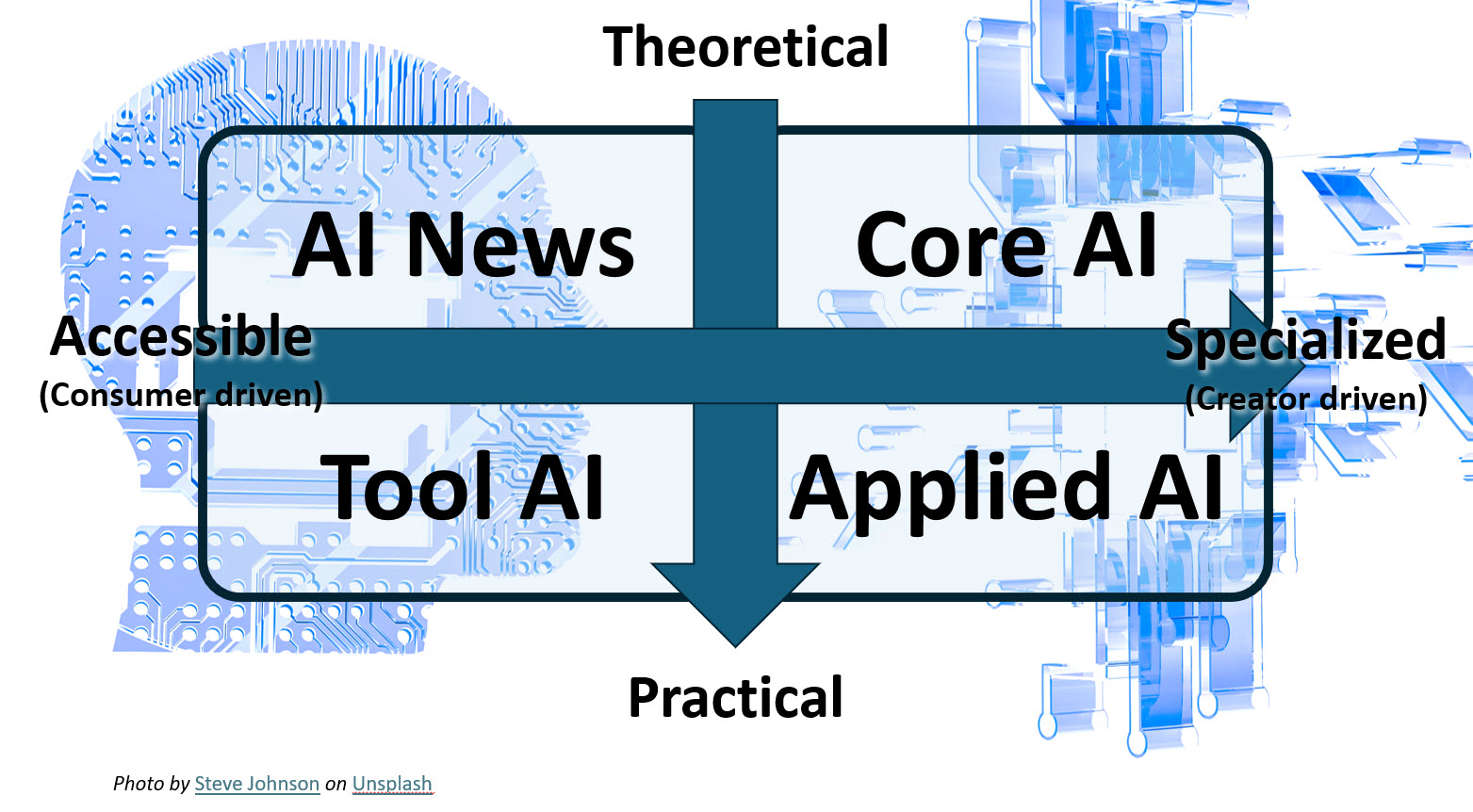
Going a bit deeper at the risk of over-simplifying the current environment: You can think of the four AI quadrants as moving along two dimensions:
- Theoretical → Practical: On one end you have concepts and headlines (Theoretical), and on the other, real-world workflows and systems (Practical).
- Accessible (Consumer-Driven) → Specialized (Creator-Driven): Some AI is easy to jump into with little to no expertise (Accessible), while other types require technical depth, custom development, or dedicated partners (Specialized).
Plotted together, these two dimensions give us the four quadrants:
- News AI → Theoretical + Accessible
- Tool AI → Practical + Accessible
- Applied AI → Practical + Specialized
- Core AI → Theoretical + Specialized
This framework helps nonprofits see that they don’t need to “do it all.” Most will thrive in the Accessible + Practical space, using tools and small applied workflows, without needing to dive into the complexities of Core AI.
🧭So... Where Should You Start?
Most nonprofits will look at this and think that they need to journey through these quadrants in order:
News AI → Tool AI → Applied AI → Core AI
But here’s the good news: most nonprofits will never need to get beyond Tool AI (or maybe Applied AI) and that’s perfectly okay.
Your mission isn’t to chase every shiny new AI announcement or to compete with the companies building massive language models. Your mission is to serve people, build community, and create lasting change. If AI can help you do that more effectively (by saving staff time, improving communication, or automating repetitive tasks) then it’s already serving its purpose.
Think of it this way:
- News AI → stay informed just enough to know what’s happening. Don’t get consumed by the hype.
- Core AI → almost never worth your time unless your nonprofit is uniquely positioned to build tech as part of your mission.
Instead, put your energy into:
- Tool AI → empower your team to save time and sharpen their impact. Hire or encourage employees that can leverage AI for specific tasks (e.g. create video content, blogs, engage donors, etc.)
- Applied AI → If you’re really leveraging tools well, then progress by identifying the 1–2 areas where automation or intelligent workflows could radically free up resources or expand reach.
Everything else is background noise. The real question is: how does AI help drive your mission forward today? If you stay focused on that, you’ll avoid distraction and find the practical wins that actually matter.
🕊 A Final Word for Faith-Based Nonprofits
If you’re a faith-based organization, you may be approaching AI with caution, and rightly so. AI raises ethical, theological, and relational questions that shouldn’t be ignored.
But here’s the truth: AI isn’t going away. And just like previous tech revolutions (printing press, radio, social media), the question isn’t if it will affect your work, but how you will steward it.
What if we used AI to free up time for deeper connection?
What if AI helped us reach people faster, understand needs better, and multiply our impact without burning out our teams?
These are not just tech questions. They’re leadership questions. Stewardship questions. Kingdom questions.
And they’re worth asking.
🚀 What Quadrant Are You In?
So here’s the real question: Which quadrant are you spending most of your time in right now?
- Are you still swimming in News AI, curious but overwhelmed?
- Experimenting with Tool AI in your daily work?
- Dabbling with Applied AI and wondering what to automate next?
- Or maybe just curious about the mysteries of Core AI?
Wherever you are, you’re not alone. Most nonprofits are asking the same questions and navigating this same learning curve. The best way forward isn’t to go it alone, it’s to walk together in community.
Where do you find yourself? Does any element of this resonate with your journey or experience? Share below what you’re learning.
Because AI isn’t just a technology shift; it’s a leadership and stewardship conversation. And the more we learn from each other, the better we’ll be at keeping the focus on what matters most: our mission.
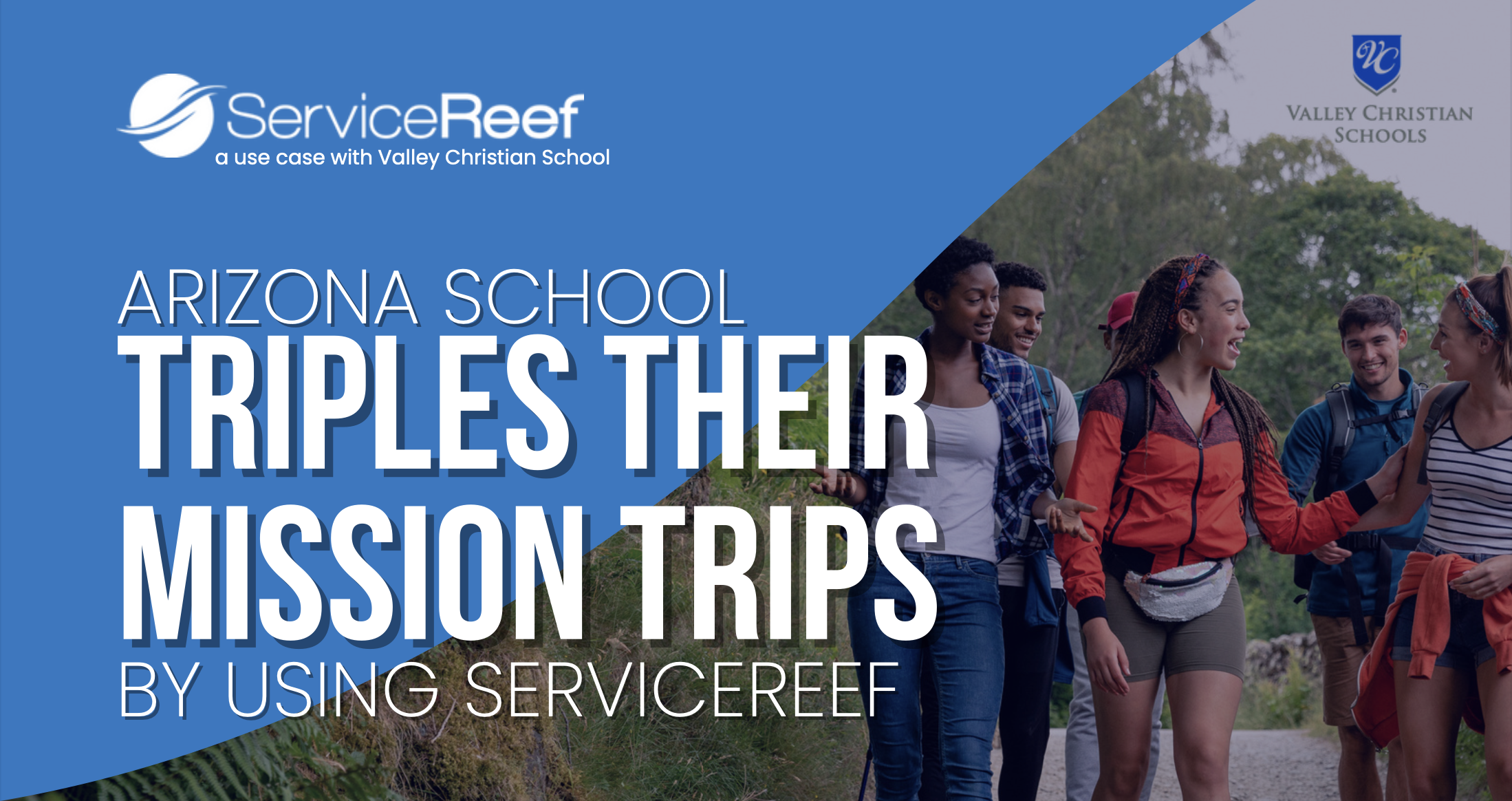
Case Study: How Valley Christian Schools 3X'd Their Mission Trip Program

Overview: Valley Christian Schools, a private Christian institution, faced a unique challenge: offering a growing number of mission trips with hundreds of their students in a highly condensed timeframe. The logistical complexity was overwhelming, until they partnered with ServiceReef.
Now, with a streamlined system that serves students, parents, and staff alike, mission trips have become a celebrated part of the school's culture. In the words of Dr. Greg Tonkinson, the Director of Spiritual Life, “It has become the backbone of these trips. It was exactly what we were looking for.”
The Challenge: Managing Potential Chaos Across Continents
Valley Christian’s mission program began humbly in 2016 with a single trip. But what started as a class project led by a passionate teacher soon blossomed into a school-wide initiative with trips to Costa Rica, Curacao, Romania, Australia, and more.
“We were excited, but our team had no idea how to really do this,” Taylor, one of the coordinators, shared. Using ill-fitting software and disjointed communication, the team struggled with paperwork, fundraising, missed emails, and parent confusion. “It was like the blind leading the blind, hunting and pecking on this massive platform… failing miserably.” Dr. Greg admitted.
Despite the friction, their program grew. But after COVID-19 and a renewed sense of mission, Valley Christian needed a new platform—something that could handle the size, scope, and structure of their vision.
The Turning Point: Discovering ServiceReef
A referral led them to ServiceReef. The difference was immediate.
“We fell in love with it—because of the customer service and because the tool is so comprehensive,” Greg said. “We’ve grown this process together with the ServiceReef team.”
What truly set ServiceReef apart was the partnership. COO Micah and his team didn’t just sell software—they co-created solutions and offered personalized support.
“When we came with our school-specific needs, they said, ‘Let’s make it happen,’” Dr. Greg shared. “The development team listened to our chaperones' needs, and when we rolled out the changes, the room literally erupted in applause.”
The Results: A Culture Transformed
Since adopting ServiceReef, the transformation has been nothing short of extraordinary:
- Recently, they managed 15 mission trips simultaneously and plan to do more
- $900,000+ raised through centralized fundraising this past season
- 250+ students and staff mobilized and impacted for the better
- All communication, paperwork, fundraising, and logistics handled in one place
Every document—passports, medical forms, parental consent, insurance—is all uploaded and accessible. That’s not just helpful. That’s essential for safety, liability, and peace of mind for the school administration as well as the students and their families. “Honestly, you cannot fall back on manual processes when you’re offering this program at this scale.” Taylor said.
As a parent himself, Dr. Greg offered perhaps the most heartfelt endorsement:
“I have five kids, four have been on trips. I can see every one of them in the ServiceReef dashboard, even trips they’ve been on several years ago. It's all there on one screen. It’s a huge win. And I can rejoice in those memories and the impact.”
Why It Works: Simplicity, Support, and Security
The team emphasized three key benefits:
- Simplicity yet Comprehensive:
“Everything you need is right here. No more juggling multiple platforms. And trying to get our teams and parents to remember all that. Just one site. One login. All your answers.”
- Unmatched Customer Service:
“We know the COO. We know Emily. These aren’t just names—we have relationships with the people running this tool. That’s very different from other larger software companies.”
- Security & Scalability:
“We’re sending minors across the world. ServiceReef gives us the infrastructure to do that responsibly, safely, and excellently.” That helps cover us as an organization, but also we and the parents obviously care about these students so this gives us more peace of mind too.”
Impact Beyond Logistics
ServiceReef isn’t just helping Valley Christian manage documentation and other processes—it’s empowering students and connecting families to life-changing experiences. Ultimately, it’s serving the Great Commission.
“Parents can read their kids’ trip blog entries inside the platform. I just read about Tanzania, Australia, and Brazil. Students witnessing miracle births in less than optimal conditions. Students feeling a call to ministry after their trips. And I’m in awe and glorifying God for these stories!”
What began as a leap of faith into missions has now become a pillar of school culture, powered by a platform that enables growth, excellence, and lasting impact.
“The students care about the mission they go on. They don’t necessarily care about the platform, but we care about the platform because we know we have to do all this with excellence. ServiceReef has truly become the backbone of this program. We could not be happier!”
>> DOWNLOAD THE FULL CASE STUDY HERE.